Is GRESB for you?
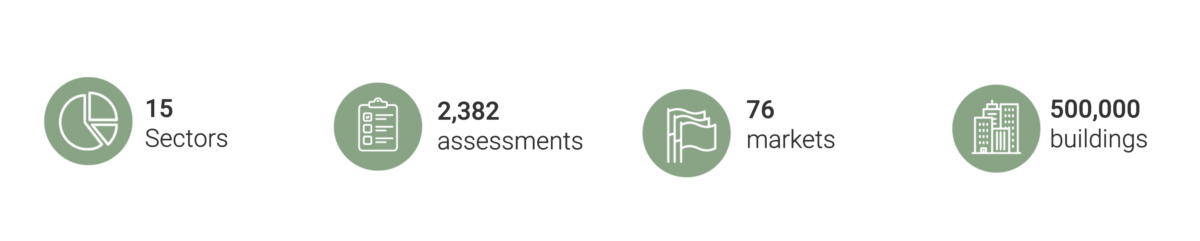
Regardless of region, sector, size, or strategy, all real estate managers have a place in the GRESB Assessments. The methodology enables fair, apples-to-apples comparisons across markets, sectors, and asset types—whether standing investments or developments—through curated and customizable peer groupings.
Real estate plays a central role in building a more sustainable, resilient, and efficient built environment. Managers and developers are increasingly expected to assess, manage, and report on performance in a structured and transparent way. As institutional and financial investors increasingly factor sustainability risks and opportunities into capital allocation decision, operational resilience and long-term value creation have become essential to protecting returns and achieving financial goals.
Research increasingly demonstrates a measurable relationship between GRESB participation and financial performance. Independent studies across Europe, Asia Pacific, and the United States show that participation in the GRESB Real Estate Assessment—and improvements in GRESB Scores—are associated with stronger non-listed real estate fund returns. These findings highlight the role of GRESB as a strategic partner and structured framework for improving performance, managing risk, and supporting long-term value creation. Learn more about the link between GRESB participation and financial returns.
View our 2025 GRESB participants to see the breadth of coverage across the real estate market.
When should I get started?
Starting early enables year-over-year improvement, demonstrates leadership to investors, and strengthens long-term performance.
Delaying participation until data feels “complete” can postpone valuable insights that drive measurable progress. Early participation establishes a baseline, supports peer comparison, and provides a structured pathway to improvement.
Participation also ensures recognition within the GRESB Benchmark—an important reference point for investors evaluating real estate strategies.
You can explore our first-year participant case studies to see how peers began their GRESB journey and the lessons they learned along the way.
There is a long-arc to performance data. Each day that goes by puts the recognition of your efforts further in the future.”
Thomas Stanchak
Director of Sustainability, Stoneweg US
What about scores?
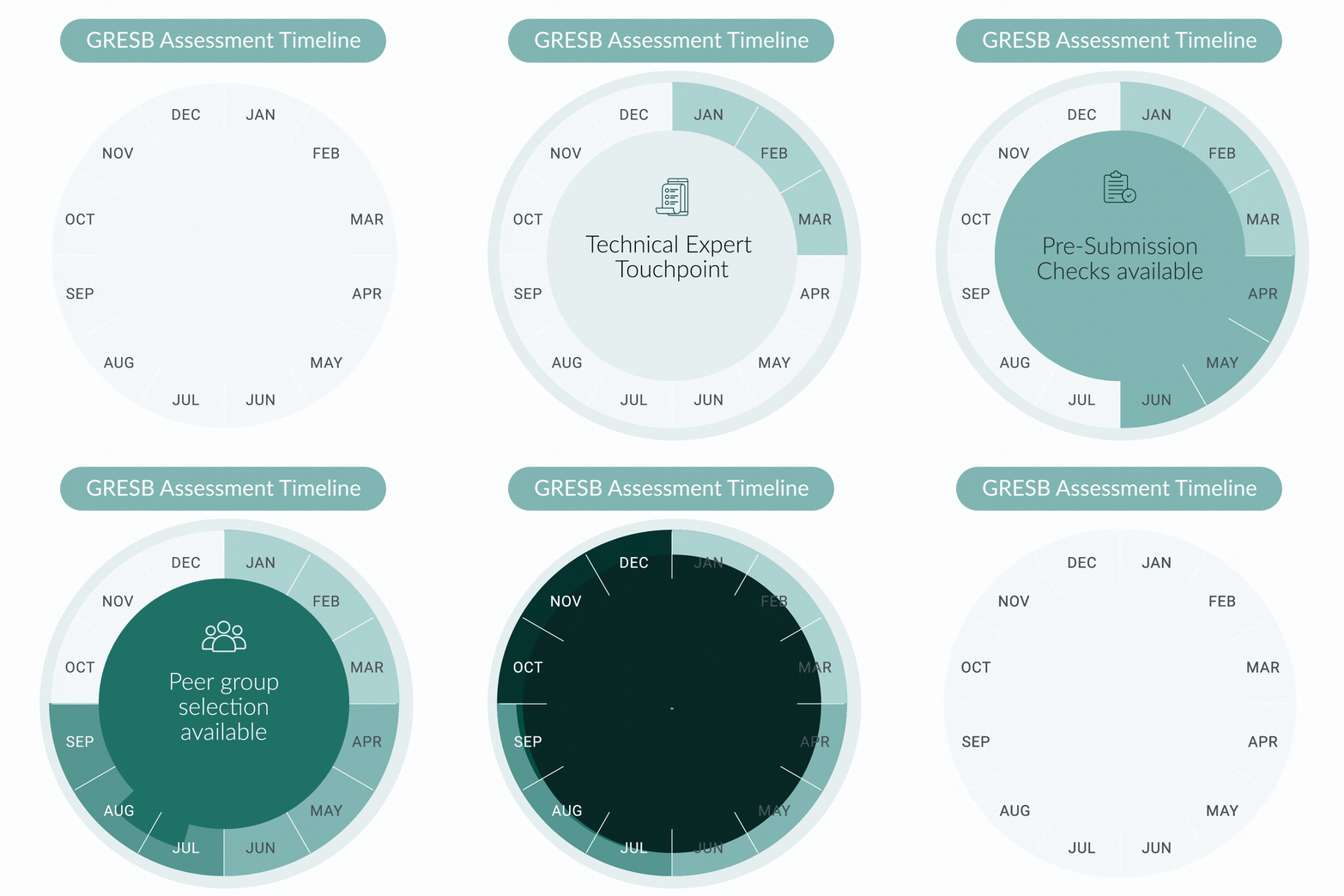
Some managers who are looking to get started with GRESB may be concerned that assessment mistakes or a lack of data may be seen negatively by investors or result in a low score. This is why we offer all new members a “Grace Period”—the ability to participate in the assessment in the first year without the pressure or expectation to share results with anyone outside your organization. This provides time to become familiar with the assessment process without external scrutiny. Participants can also request a Pre-Submission Check and use the Assessment Correction service to verify submissions and correct errors.
In 2025, new participants entered the Real Estate Benchmark with an average score of 68, up 6 points from 2024. This year-on-year improvement highlights a maturing real estate market, where new entrants are coming to the Benchmark better prepared, with more established management practices, stronger data foundations, and closer alignment with GRESB Standards. Looking at historical data, we also see that, on average, new participants typically achieve a 10-point increase in their GRESB Score in their second year.
Some firms may also choose to begin with the Management Component only, allowing them to report on governance and strategic practices before submitting detailed performance data. This phased approach supports steady progress while reducing first-year reporting burden.