The case for “bounce-forward” climate-resilient infrastructure
Because climate change is constantly shifting the overall environmental equilibrium, “bounce-back” approaches are becoming less and less applicable in practice. A “bounce-forward” approach accounts for continuous adaptation to disturbances or changes to the steady state.
Defining Resilience: A People-First Approach to Protecting Places
In my years working at the intersection of health and design, I’ve noticed that something interesting tends to happen in conversations about resilience. Often, when the word is mentioned, everyone nods in vigorous agreement – while thinking of very different things.In real estate, of course, resilience tends to be all about designing structures to withstand the increasingly violent consequences of a warming earth. The conversation might turn to things like base-isolated corporate campuses or minimalist modern floating homes.
Resilience Management: A Multifaceted Approach to Real Estate Investing
Resilience is an ongoing initiative that continues to evolve rapidly. We believe that developing a comprehensive approach to addressing physical climate risk across the organization is key to resilience management. Our focus on awareness, evaluation, and integration supports us to further future proof our assets as we all look to transition toward a low carbon economy and help the fight against climate change.
4 Ways to Increase Resilience in the Built Environment: Responding to the Threat
The growing severity of climate-related risks and, as 2020 has shown us, the risk of global social, health and financial events we cannot anticipate means we will increasingly need to anticipate, respond, and adapt to a range of risks. To increase the resilience of our built environment, we will need to combine all available approaches: resistance, reliability, redundancy, response and recovery. Together they can help our buildings and infrastructure survive and thrive.
Resilience: Confronting Climate Change and Adapting Your Real Estate Asset Management Accordingly
The real estate sector accounts for more than a third of CO2 emissions in Europe, yet only 1% of building inventory is renovated each year. This reality has led to growing market awareness, with the emergence of new European and national environmental regulations.
Climate Risk: How the Real Estate Industry is Bracing for the Inevitable
Real estate owners are feeling pressure from all sides to take climate change, and its inherent risks, more seriously. Regulators are demanding more transparency surrounding climate risk disclosure, with the UK and New Zealand implementing mandatory climate risk reporting to align with TCFD recommendations. Investors are also increasingly incorporating climate risk and resilience into their due diligence and decision-making processes.
Nature-Based Solutions: The Backbone of Sustainable Investment
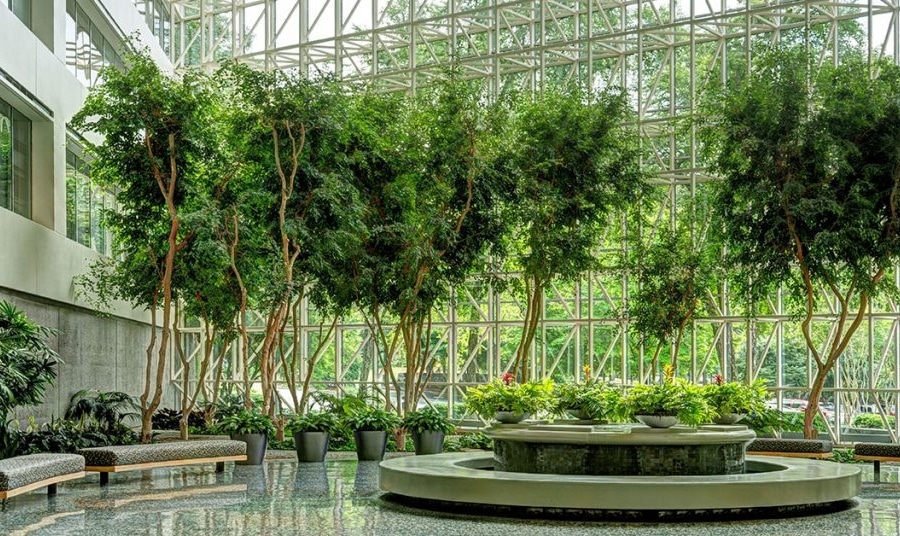
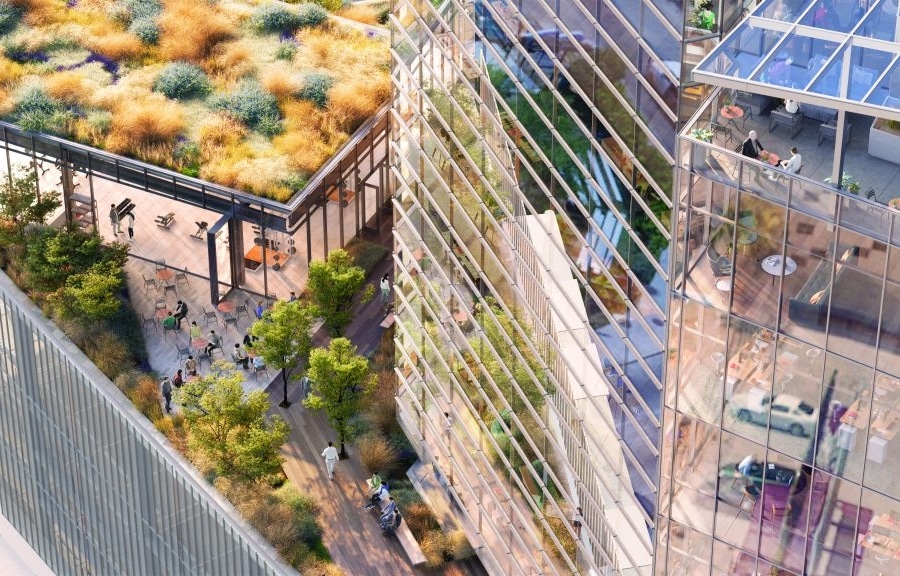
Historically, climate-related risks have been mitigated through grey infrastructure such as sewers and HVAC systems, singular in function and difficult to retroactively expand. However, the built environment industry is waking up to nature-based solutions as a multifunctional approach to climate adaptation whilst meeting wider ESG priorities.
To Build Back Better, Invest in People-First Places
Building back – whether it’s our offices, schools, housing or federal buildings – we should ensure that we’re adopting a people-first approach to enhance these spaces. And the past year has demonstrated beyond the shadow of a doubt that fostering health and well-being is not only a moral imperative, but an investment that always pays dividends.
With the environmental impact of real estate now increasingly important to investors, frameworks are evolving to help evaluate and improve the sustainability performance of assets. For example, GRESB (formerly the Global Real Estate Sustainability Benchmark) is an internationally recognised benchmark assessing the Environmental, Social and Governance (ESG) performance of property.
The rise of ESG: the evolution of environmental regulations in Europe
The real estate sector in Europe accounts for nearly half of the region’s energy consumption and more than a third of CO2 emissions. Despite this reality, only 1% of real estate inventory undergoes renewal each year. Faced with the climate crisis, European countries have set themselves a common goal: achieving carbon neutrality by 2050.
EU Regulatory Environment Changes (SFDR, EU Taxonomy)
The European Green Deal has launched an ambitious plan to transform the EU economy to a sustainable, climate neutral economy by 2050. To support the plan a range of working groups, action plans and new regulations have been established. All parts of the Green Deal are relevant to real estate, but in particular the outcomes of the EU Action Plan on Sustainable Finance are worth paying close attention to in the coming months.
The three US green building legislation trends you need to know about
This article was originally published in Commercial Property Executive. See original article here. Introduction The United States has not always been a world leader when it comes to buildings that are good for the planet or supportive of human health. Rather, the market has long been fragmented between different regions, with some states and cities […]
ESG reporting has developed into an essential factor in assessing ESG initiatives and communicating on sustainability commitments, and COVID-19 has only stood as a catalyst for this trend. The pandemic has demonstrated to the market that easily neglected ‘non-financial’ factors are equally as important to long-term sustainability of businesses as any financial factors. It is truly an exciting time to be a part of the movement towards knowledge sharing and harnessing new opportunities as means of managing and reporting towards ESG factors.
Lately, three letters have been blooming everywhere whenever conversation revolves around sustainability reporting: ‘ESG’. The concept of ESG first appeared in 2001, as such, the topic is not new, prescient concepts such as social, ethical, or environmental issues (SSE), or socially responsible investment (SRI) were already reported by different industries and businesses in the preceding decades. The letters alone might not mean much, but together they represent an entity’s behavior on environmental issues, its engagement with society, and the strength of its governance.
Future of ESG reporting: Aligning with the ultimate customer to out-run the bear
The emphasis in ESG reporting is usually on the ‘E’. The ‘G’ is also getting some attention with transparency and diversity also becoming focal points on boardroom agendas. However, post-pandemic the future of ESG reporting must lie with the ‘S’ and particularly with stakeholder engagement.
By elevating ‘S’ on the ESG agenda, we might just get close to squaring the circle through the adoption of a more holistic understanding of “value”. Embracing a longer-term time horizon and broadening the scope of metrics used to measure success would alleviate concerns associated with pressures organisations face for short-term returns. The real challenge is to find the right balance between harmonising social reporting requirements alongside the flexibility needed to effectively address local needs.
Looking into the crystal ball of what the future holds for ESG reporting
ESG reporting has surged in prominence amid a growing realisation among investors and financial institutions that sustainability risk is investment risk. The devastating impact of COVID-19 has further accelerated interest in companies’ ESG disclosure and sustainability performance. But with ESG performance soaring to the top of the agenda, the nascent industry of ESG reporting appears destined for change.
ESG reporting: finding the approach that fits your goals, and following through with success
Stakeholders are no longer focused on financial data alone, and organizations today face increasing market pressure to meet new criteria – especially with the emergence of European regulations like the Tertiary Decree, MEES (Minimum Energy Efficiency Standards), the Dutch Building Decree, etc.